How Long Does a Roof Last? Lifespan by Material Type
Find out how long different roofing materials last in the Saratoga Springs climate. Compare lifespans of asphalt shingles, metal, slate, cedar, and more.
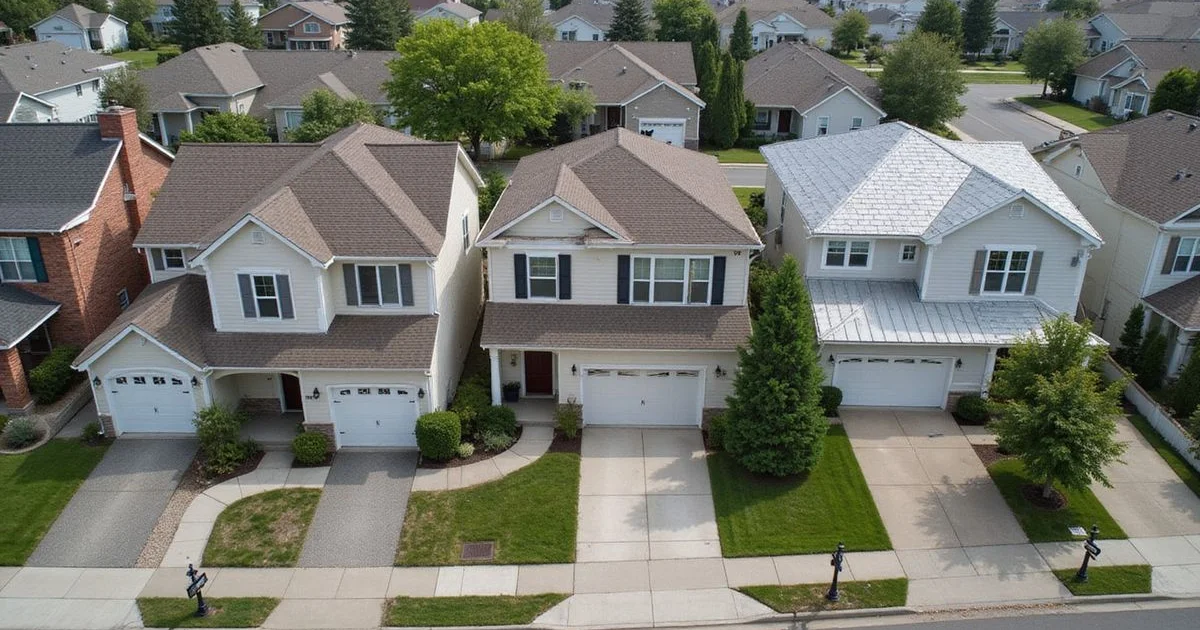
How Long Will Your Roof Last?
One of the most important questions for any homeowner is how long their roof will last. The answer depends primarily on the roofing material, but factors like climate, maintenance, installation quality, and ventilation all play significant roles. For homeowners in Saratoga Springs, where roofs face extreme weather conditions, understanding the realistic lifespan of different roofing materials is essential for financial planning and home maintenance.
Roof Lifespan by Material Type
Three-Tab Asphalt Shingles: 15 to 20 Years
Three-tab asphalt shingles are the most basic and affordable roofing option. In ideal conditions, they can last 20 to 25 years, but in the Saratoga Springs climate, their practical lifespan is closer to 15 to 20 years. The constant freeze-thaw cycles, heavy snow loads, and UV exposure during summer accelerate the deterioration of these lightweight shingles.
Three-tab shingles lose granules at an increasing rate as they age, which reduces their ability to shed water and resist UV damage. Once granule loss becomes widespread, the shingles dry out, crack, and become vulnerable to wind uplift and water penetration.
Architectural Asphalt Shingles: 20 to 30 Years
Architectural shingles, also called dimensional or laminate shingles, are thicker and more durable than three-tab varieties. They typically last 25 to 30 years under favorable conditions. In Saratoga Springs, expect a realistic lifespan of 20 to 27 years with proper maintenance. Their multi-layer construction provides better resistance to wind, impact, and temperature extremes.
Premium architectural shingles from manufacturers like GAF, CertainTeed, and Owens Corning may carry warranties of 30 to 50 years, though the actual lifespan in our climate will generally be shorter than the warranty period.
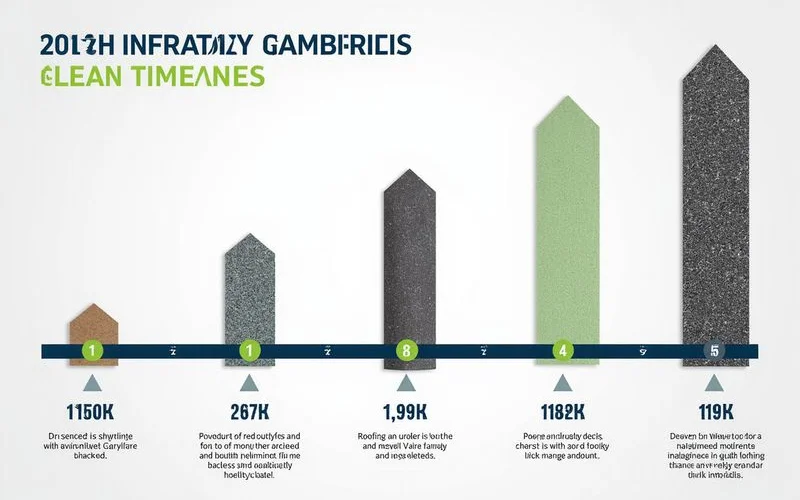
Metal Roofing: 50 to 70+ Years
Metal roofing offers dramatically longer service life than asphalt shingles. A properly installed standing seam or metal shingle roof can last 50 to 70 years or more, even in demanding climates like ours. The key advantages of metal in the Saratoga Springs environment include resistance to freeze-thaw damage, excellent snow shedding, and immunity to rot and mold.
Metal roofs do not suffer from the granule loss, cracking, or moisture absorption that shortens asphalt shingle life. The main maintenance concern is periodic inspection of seams, fasteners, and sealants, which is far less intensive than what asphalt shingles require.
Slate Roofing: 75 to 150+ Years
Natural slate is the gold standard of roofing longevity. A quality slate roof can last 75 to 150 years or even longer, and many historic homes in Saratoga Springs still have their original slate roofs from the 1800s. Slate is virtually impervious to weathering, does not absorb moisture, and maintains its appearance for generations.
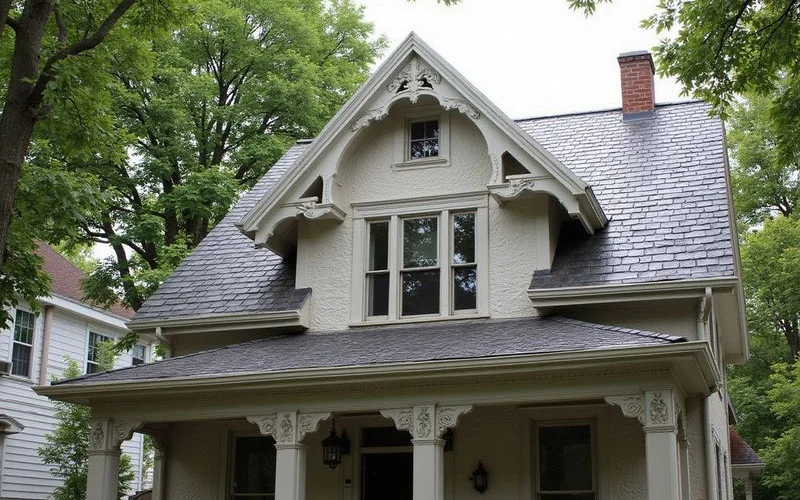
The primary drawbacks of slate are its high cost and weight. Slate is the most expensive roofing material available, and its weight may require structural reinforcement. However, for homeowners who value longevity above all else, slate offers an unmatched return on investment.
Cedar Shake: 25 to 40 Years
Cedar shake roofing offers a natural, rustic appearance that suits many home styles in the Saratoga Springs area. When properly maintained, cedar shakes can last 30 to 40 years. However, cedar requires more maintenance than other materials, including periodic cleaning, treatment, and replacement of individual shakes that split or decay.
In our humid climate, cedar shakes are susceptible to moss, algae, and mold growth, which can accelerate deterioration if not addressed. Regular maintenance is essential to achieving the full potential lifespan of a cedar roof.
Synthetic Slate and Shake: 40 to 60 Years
Synthetic roofing products made from engineered polymers or recycled rubber are designed to replicate the appearance of natural slate or cedar shake at a lower cost and weight. These products typically carry warranties of 40 to 60 years and offer good performance in cold climates. They are resistant to moisture, impact, and freeze-thaw cycling, making them a viable option for Saratoga Springs homes.
Factors That Affect Roof Lifespan in Saratoga Springs
Climate and Weather
Our Upstate New York climate is particularly demanding on roofs. Heavy snowfall, ice dams, freeze-thaw cycles, high winds, and storm damage all contribute to accelerated aging. A roof that might last 30 years in a milder climate may only last 22 to 25 years in our region.
Installation Quality
A properly installed roof can last significantly longer than one with installation defects. Issues like improper nailing patterns, inadequate ventilation, incorrect flashing installation, and failure to follow manufacturer guidelines can reduce a roof’s lifespan by 20 to 40 percent. Always choose a qualified, certified installer.
Ventilation and Insulation
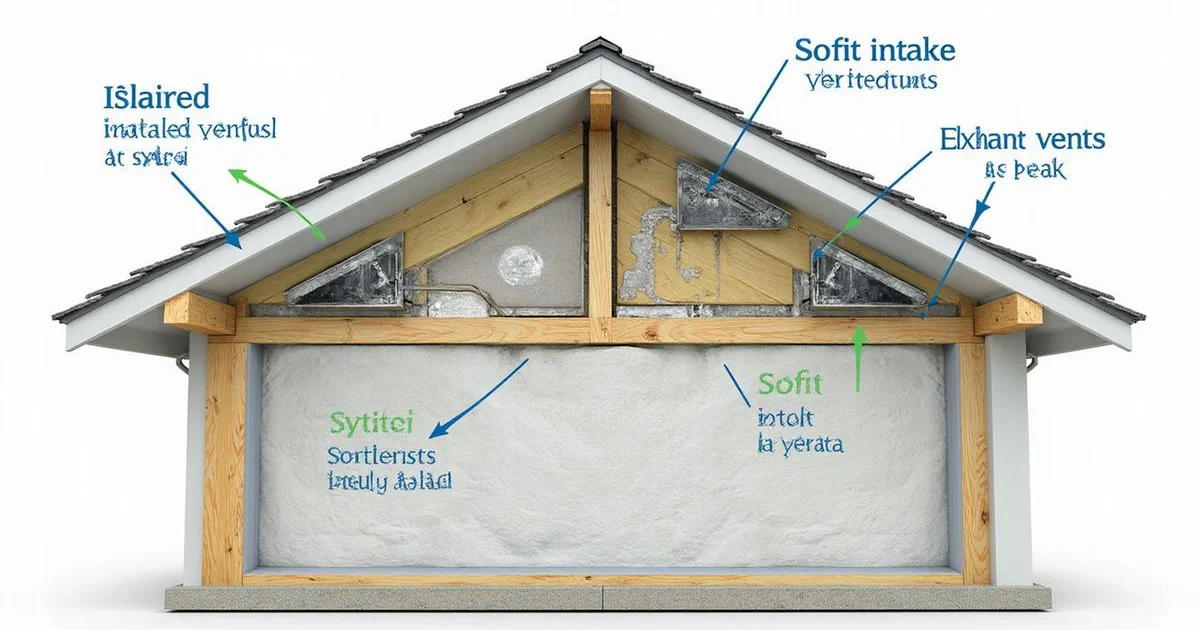
Proper attic ventilation and insulation are critical for roof longevity. Excessive heat buildup in the attic during summer bakes shingles from below, while inadequate insulation in winter leads to ice dams that damage roofing materials. A well-ventilated, properly insulated attic can add years to your roof’s service life.
Maintenance History
Regular maintenance, including roof inspections, gutter cleaning, prompt repair of minor damage, and tree trimming, extends roof life significantly. Homeowners who invest in annual maintenance typically see their roof last 15 to 20 percent longer than those who neglect upkeep.
Roof Color and Orientation
Dark-colored roofs absorb more heat, which can accelerate shingle aging. South-facing and west-facing roof slopes receive more direct sunlight and typically show more wear than north-facing slopes. In Saratoga Springs, north-facing slopes are more susceptible to moss and algae growth but less affected by UV deterioration.
Maximizing Your Roof’s Lifespan
Regardless of the material, here are steps you can take to get the most years out of your roof:
- Schedule annual professional inspections to catch problems early
- Maintain proper attic ventilation and insulation levels
- Clean gutters at least twice per year
- Trim trees to keep branches away from the roof
- Address roof repairs promptly rather than letting small issues grow
- Remove heavy snow accumulation to reduce structural stress
- Treat moss and algae before they cause damage
Plan Ahead With Professional Guidance
Knowing where your roof stands in its lifespan helps you plan financially for the eventual roof replacement. Rooferly Saratoga Springs can connect you with experienced roofing professionals who can assess the current condition of your roof, estimate its remaining useful life, and recommend materials for your next roof that will maximize longevity in our climate. Contact us today to schedule a professional roof assessment.
Emily Brooks coordinates roofing projects across the Capital Region, helping homeowners navigate the process from estimate to completion.
Construction Management CertificationNeed Professional Help?
Get matched with trusted local roofers for your project.
Learn About Our Services