Ice Dam Prevention: Protecting Your Saratoga Springs Roof
Learn how to prevent ice dams on your Saratoga Springs roof. Understand causes, warning signs, and proven solutions to protect your home from winter water damage.

Understanding and Preventing Ice Dams in Saratoga Springs
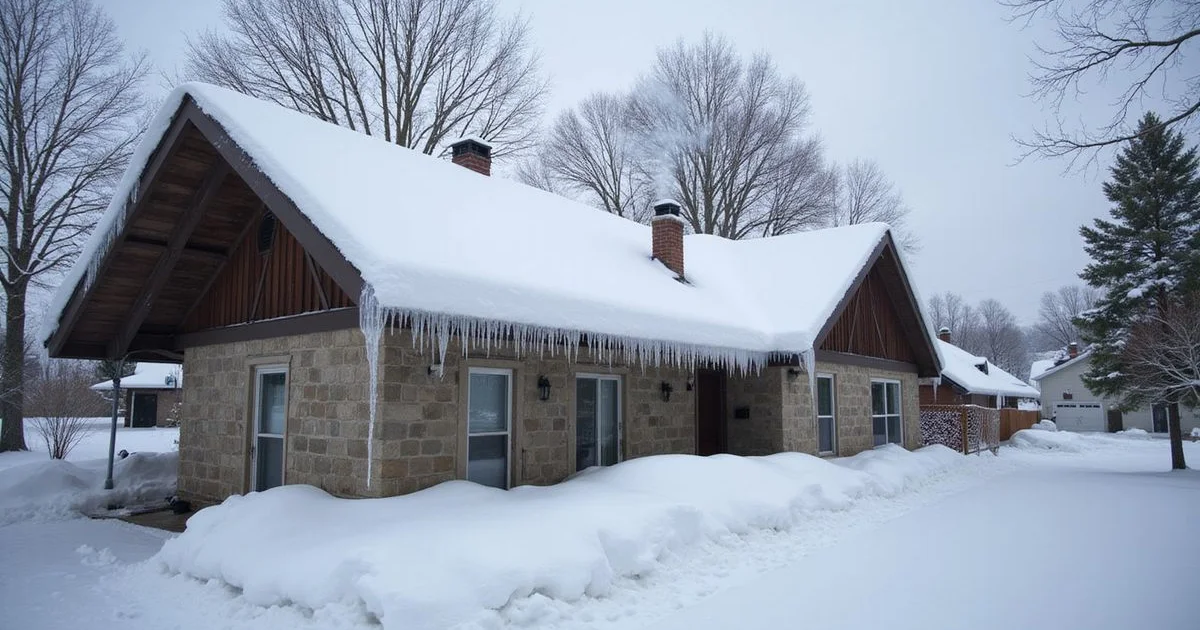
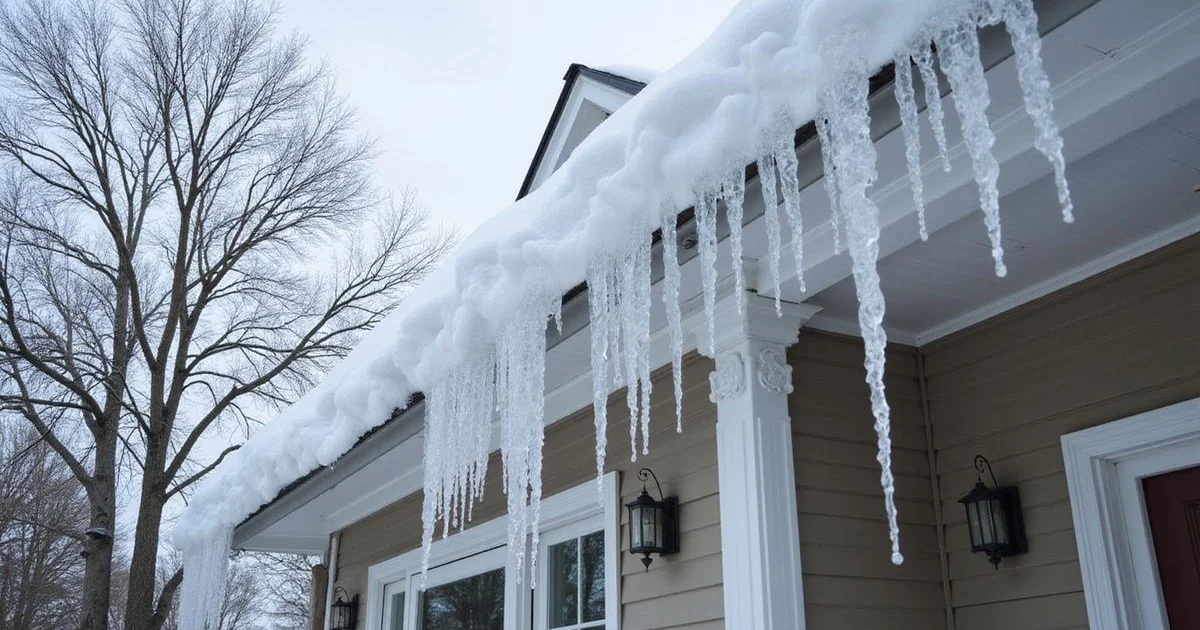
Ice dams are one of the most significant roofing challenges faced by homeowners in Saratoga Springs and throughout Upstate New York. These ridges of ice that form along the edges of your roof may look like a picturesque winter scene, but they can cause serious storm damage to your roof, gutters, walls, and interior. Understanding how ice dams form and what you can do to prevent them is essential for protecting your home during our long, cold winters.
How Ice Dams Form
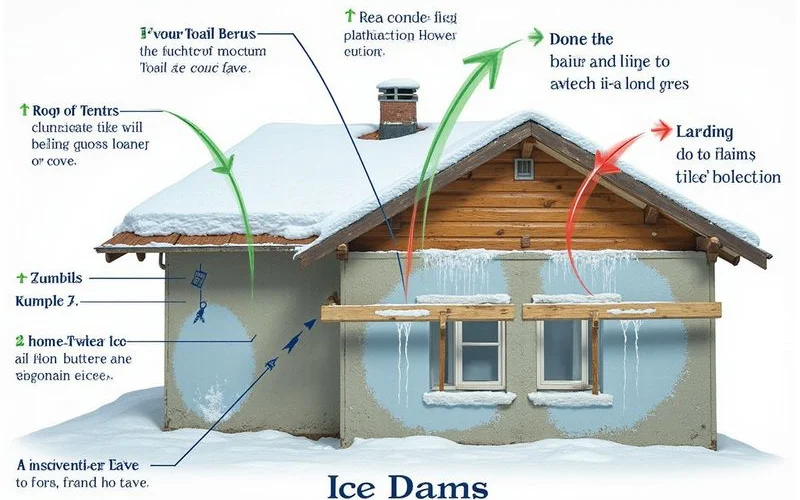
The formation of an ice dam requires three conditions that are extremely common in Saratoga Springs: snow on the roof, warm air in the attic, and cold temperatures outside.
Here is the process step by step. Heat from your living space rises into the attic and warms the roof deck above it. This warm section of roof melts the snow sitting on top of it. The melted water runs down the roof toward the eaves, which extend beyond the exterior walls and are not warmed by attic heat. When this meltwater reaches the cold eaves, it refreezes, forming a ridge of ice. As more water melts and flows down behind this ice ridge, it pools and can work its way underneath shingles, through the roof deck, and into your home, making leak detection essential.
Warning Signs of Ice Dams
Knowing what to look for can help you catch ice dam problems before they cause major damage:
- Large icicles forming along the roof edge or in gutters
- Ice buildup visible at the roof’s edge, especially on the north-facing side
- Water stains appearing on ceilings or walls during cold weather
- Peeling paint on exterior soffits or fascia
- Sagging or damaged gutters from the weight of ice
- Ice forming on exterior walls below the roofline
If you notice any of these signs, it is important to address the situation promptly to prevent further damage.
Long-Term Prevention Solutions
The most effective ice dam prevention strategies address the root cause: excessive heat in the attic. These long-term solutions require an upfront investment but provide lasting protection.
Improve Attic Insulation
Insufficient attic insulation is the number one cause of ice dams in Saratoga Springs homes. For our climate zone, the Department of Energy recommends R-49 to R-60 insulation in the attic floor. Many older homes in Saratoga Springs have significantly less than this. Adding blown-in cellulose or fiberglass insulation to reach recommended levels can dramatically reduce heat transfer from your living space to the attic.
The cost for a professional insulation upgrade typically ranges from $1,500 to $3,500 for a standard home, and the investment pays for itself through reduced heating costs within a few years.
Enhance Attic Ventilation
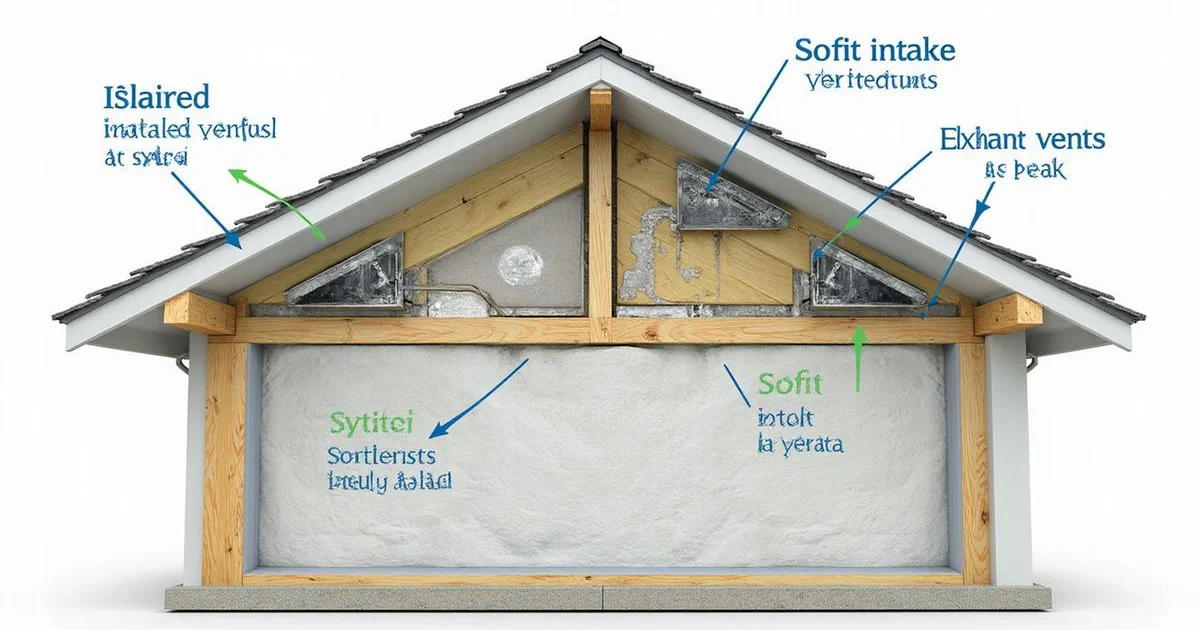
Proper ventilation keeps your attic cold by allowing outside air to circulate beneath the roof deck. The ideal ventilation system includes intake vents at the soffits and exhaust vents at the ridge, creating a balanced airflow. For every 150 square feet of attic floor space, you should have at least one square foot of ventilation area, split evenly between intake and exhaust.
If your home has only gable vents or isolated box vents, upgrading to a continuous ridge and soffit vent system is one of the most effective improvements you can make.
Seal Attic Air Leaks
Even with adequate insulation, warm air from your home can bypass the insulation through gaps and cracks in the attic floor. Common air leak locations include:
- Around recessed light fixtures
- Where plumbing pipes and electrical wires penetrate the ceiling
- At the attic hatch or access door
- Around bathroom and kitchen exhaust fan housings
- Where interior walls meet the attic floor
Sealing these leaks with fire-rated caulk, spray foam, or weatherstripping is an affordable improvement that can be done in a weekend and makes a meaningful difference.
Install Ice and Water Shield
If you are planning a roof replacement, insist on ice and water shield membrane being installed along all eaves, in valleys, and around penetrations. This self-adhering membrane creates a watertight barrier that prevents water from entering your home even if ice dams do form. New York State building code requires ice and water shield to extend at least 24 inches past the interior wall line, but in the Saratoga Springs area, many contractors recommend extending it further for added protection.
Short-Term Prevention and Remediation
While long-term solutions address the root cause, these short-term measures can help manage ice dams in the meantime.
Roof Raking
After heavy snowfall, use a roof rake with an extendable handle to remove snow from the lower three to four feet of your roof. By removing the snow before it can melt and refreeze, you eliminate the raw material for ice dam formation. Always rake from the ground and never climb onto an icy roof.
Heated Cable Systems
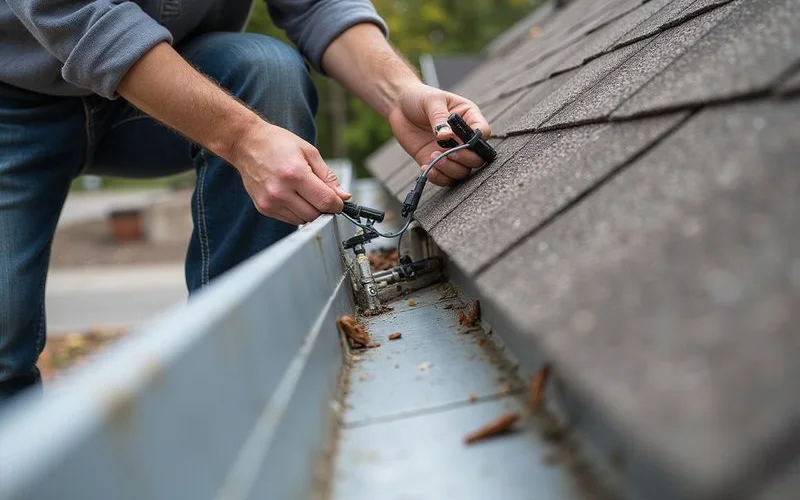
Electric heat cables can be installed along the roof edge and in gutters to create channels that allow meltwater to drain rather than refreeze. While not a permanent solution, heated cables can provide effective relief for homes that are particularly prone to ice dams.
Professional Ice Dam Removal
If an ice dam has already formed, do not attempt to remove it yourself with a hammer, chisel, or salt. These methods can damage your shingles and create more problems requiring costly roof repairs. Professional ice dam removal using steam is the safest and most effective method. Steaming melts the ice without damaging the roof surface.
The True Cost of Ignoring Ice Dams
Many homeowners underestimate the damage that ice dams can cause over time. Beyond the immediate water damage to ceilings and walls, recurring ice dams can lead to:
- Rotted roof decking requiring replacement during the next roof installation
- Mold growth in attic spaces and wall cavities
- Damaged insulation that loses its effectiveness when wet
- Deteriorated fascia and soffit materials
- Stained or damaged gutters and exterior finishes
- Reduced home value due to visible water damage
Get Professional Help
Rooferly Saratoga Springs connects homeowners with roofing professionals who understand the unique challenges of ice dams in our region. Whether you need a roof inspection, insulation upgrade, or emergency roof tarping and ice dam removal, our network of qualified contractors can help. Contact us today to schedule a consultation and protect your home from ice dam damage this winter.
Emily Brooks coordinates roofing projects across the Capital Region, helping homeowners navigate the process from estimate to completion.
Construction Management CertificationNeed Professional Help?
Get matched with trusted local roofers for your project.
Learn About Our Services