Spring Roof Inspection Guide: What to Check After Winter
Your complete spring roof inspection guide for Saratoga Springs homes. Learn what to check after winter weather, what damage to look for, and when to call a roofer.

Your Spring Roof Inspection Guide for Saratoga Springs
Spring in Saratoga Springs signals the end of another challenging winter season for your roof. After months of heavy snowfall, ice storms, freeze-thaw cycles, and bitter cold, your roofing system may have sustained damage that is not immediately obvious. A thorough spring inspection allows you to identify and address any issues before spring rains arrive and before minor problems have a chance to worsen.
This guide will walk you through a comprehensive spring inspection that covers everything from your roof surface to your attic interior.
When to Inspect
The ideal time for a spring roof inspection in the Saratoga Springs area is late March to mid-April, after the majority of snow and ice has melted but before the spring rain season begins in earnest. You want conditions to be dry enough for accurate visual assessment and mild enough for comfortable outdoor work. Avoid inspecting immediately after a rain, as wet surfaces can make visual assessment difficult and create slippery conditions.
Exterior Inspection
Roof Surface
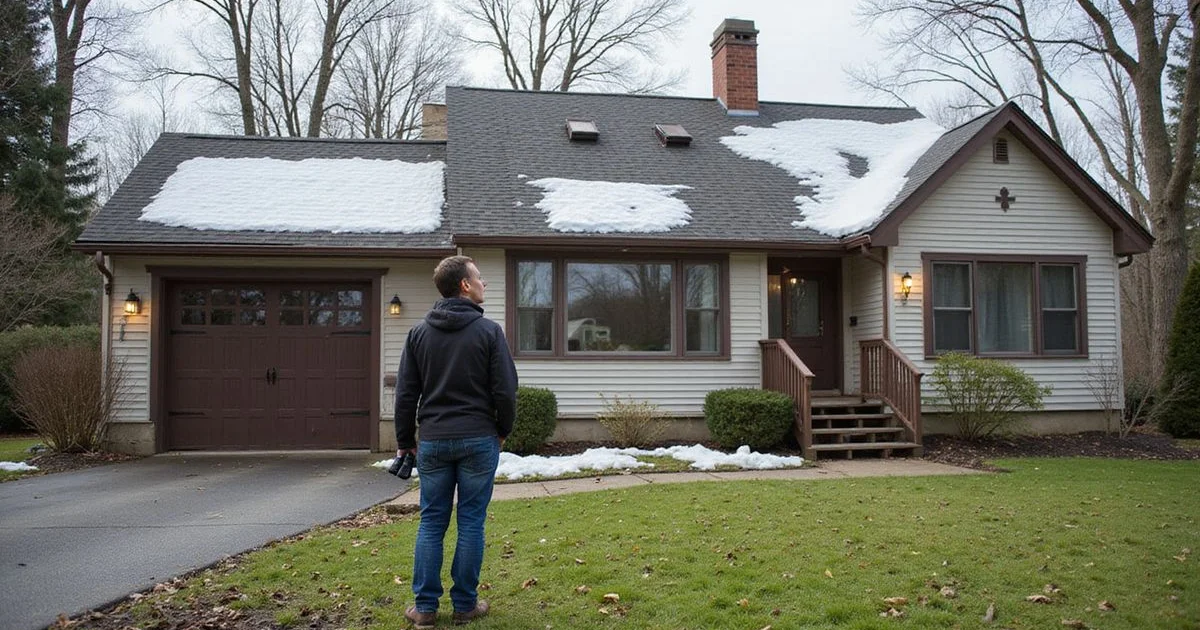
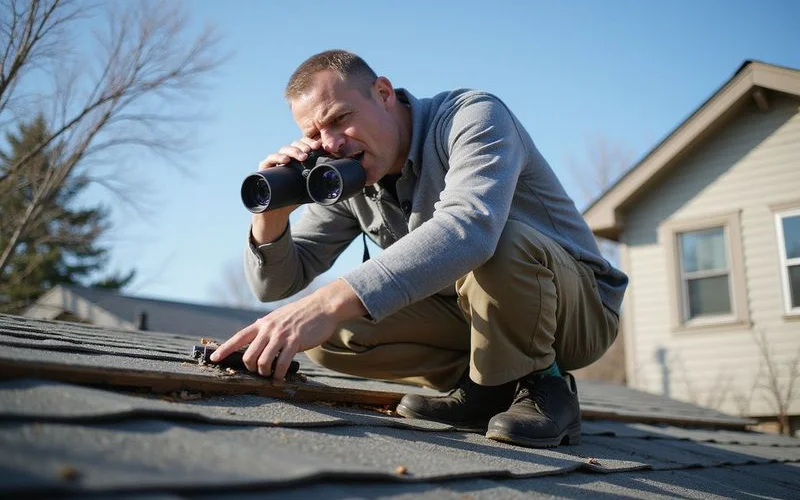
Using binoculars from the ground, systematically examine every visible portion of your roof surface. Move around your property to view the roof from multiple angles, giving extra attention to areas that are typically hidden. Look for:
- Missing shingles: Gaps in the shingle pattern where material has blown off during winter storms
- Lifted or curling shingles: Edges that are raised or curled, indicating wind damage or aging
- Cracked shingles: Visible cracks that may have formed during freeze-thaw cycles
- Granule loss: Areas where shingles appear darker or smoother than surrounding material, indicating granules have been stripped away
- Debris: Branches, leaves, or other material that accumulated on the roof during winter
Flashing and Penetrations
Carefully examine the flashing around all roof penetrations and transitions. In the Saratoga Springs climate, ice expansion and thermal cycling are particularly hard on flashing. Check around:
- Chimneys: Look for gaps between the flashing and both the chimney masonry and the roof surface
- Skylights: Check the seal and flashing around the entire perimeter
- Vent pipes: Look for cracked or deteriorated rubber boots
- Exhaust fans and vents: Ensure caps are intact and properly seated
- Roof-to-wall transitions: Verify step flashing is still properly integrated with both surfaces
Gutters and Drainage
Winter takes a particular toll on gutter systems in our area. Inspect thoroughly for:
- Ice damage: Gutters that are bent, crushed, or pulled away from the fascia due to ice weight
- Granule accumulation: Excessive granules in the gutters indicate shingle deterioration
- Debris blockages: Leaves, twigs, and sediment that collected during fall and winter
- Downspout condition: Check that all downspout connections are secure and directing water away from the foundation
- Gutter slope: Verify that gutters still slope properly toward downspouts and have not sagged or shifted
Eaves and Fascia
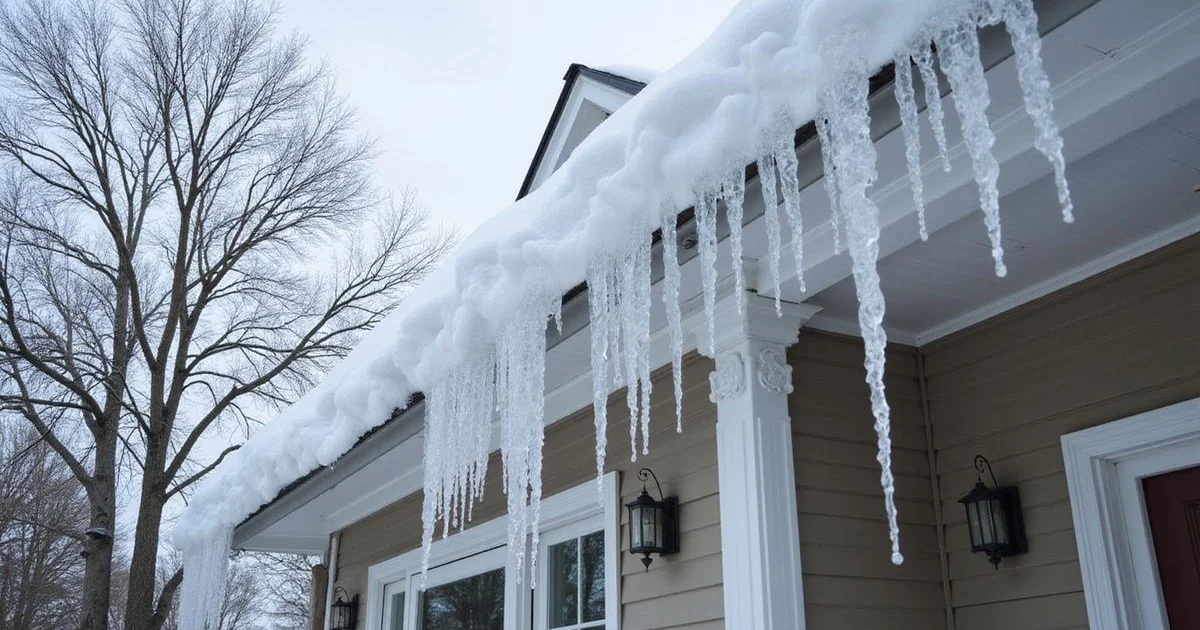
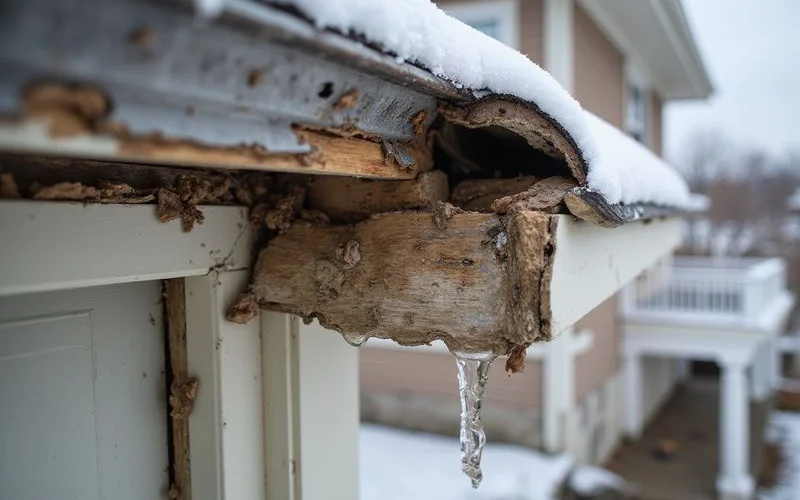
The roof edge is where ice dams do the most damage. Closely examine the eaves, fascia, and soffits for:
- Rotted wood: Ice dam water can soak into fascia and soffit materials, causing rot that may not be visible until spring
- Peeling paint: A sign of moisture damage from ice dam water running behind the gutter
- Staining or discoloration: Dark streaks or stains on fascia or soffits indicate water was present behind the gutter system
- Damaged drip edge: Bent or displaced drip edge metal along the roof’s edge
Interior Inspection
Attic Assessment
A thorough attic inspection is an essential part of your spring check. Bring a strong flashlight and examine:
- Roof deck condition: Look for water stains, dark spots, or damp areas on the underside of the roof sheathing. These indicate water infiltration during winter.
- Rafter and truss condition: Check wooden structural members for signs of moisture damage, staining, or the beginning of rot.
- Insulation condition: Look for insulation that is compressed, displaced, or damp. Water from winter leaks can saturate insulation, reducing its effectiveness and promoting mold growth.
- Mold and mildew: Any visible mold growth on wood surfaces or insulation should be addressed promptly. Mold can begin growing within 48 hours of water exposure.
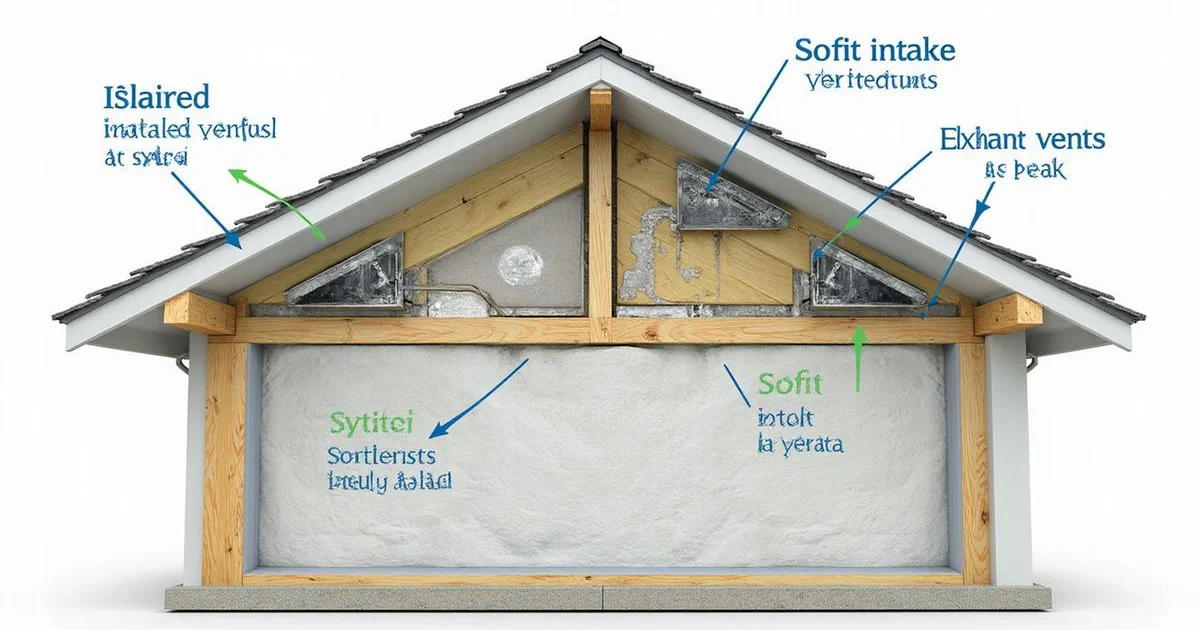
- Ventilation components: Verify that soffit baffles are in place and that insulation has not shifted to block vent openings during the winter months.
Upper Floor Ceilings and Walls
Walk through every room on your top floor and look for:
- New water stains: Brown or yellowish rings on ceilings or upper walls that were not there before winter
- Bubbling or peeling paint: Indicating moisture behind the surface
- Damp spots: Particularly around ceiling light fixtures and near exterior walls
- Musty odors: A smell that may indicate hidden moisture and mold behind walls or above the ceiling
Documenting Your Findings
As you conduct your inspection, document everything you find:
- Take photographs of any damage from multiple angles
- Note the location on a simple sketch of your home
- Record the date of your inspection
- Keep these records for reference and potential insurance documentation
- Compare findings to previous inspection notes to identify trends
Prioritizing Repairs
Not all damage requires immediate emergency attention. Here is how to prioritize:
Urgent - Address Immediately:
- Active leaks or water entering the home
- Significant structural damage such as sagging
- Large sections of missing or severely damaged shingles
- Damaged flashing that is clearly allowing water penetration
Important - Schedule Soon:
- Rotted fascia or soffit material
- Multiple missing shingles in different areas
- Deteriorated pipe boots or vent seals
- Gutter damage affecting drainage
Maintenance - Plan and Budget:
- Minor granule loss
- Small areas of moss or algae growth
- Cosmetic gutter damage
- Paint touch-ups on soffits and trim
When to Bring in a Professional
While a visual ground-level inspection can reveal many issues, a professional roofing inspector can identify problems that are not visible from the ground. Consider hiring a professional if:
- You noticed any signs of water damage inside your home during winter
- Your roof is more than 15 years old
- You experienced significant ice dams this past winter
- You cannot see large portions of your roof from the ground
- Your last professional inspection was more than two years ago
Schedule Your Spring Inspection
Rooferly Saratoga Springs connects homeowners with qualified roofing professionals who offer thorough spring inspections. Our network contractors understand the specific damage patterns caused by Saratoga Springs winters and can provide a detailed assessment of your roof’s condition along with prioritized roof repair recommendations. Contact us today to schedule your post-winter roof inspection and start the season with confidence.
Emily Brooks coordinates roofing projects across the Capital Region, helping homeowners navigate the process from estimate to completion.
Construction Management CertificationNeed Professional Help?
Get matched with trusted local roofers for your project.
Learn About Our Services