Standing Seam vs Corrugated Metal Roofing: Pros and Cons
Compare standing seam and corrugated metal roofing for your Saratoga Springs home. Learn the differences in cost, appearance, performance, and installation.
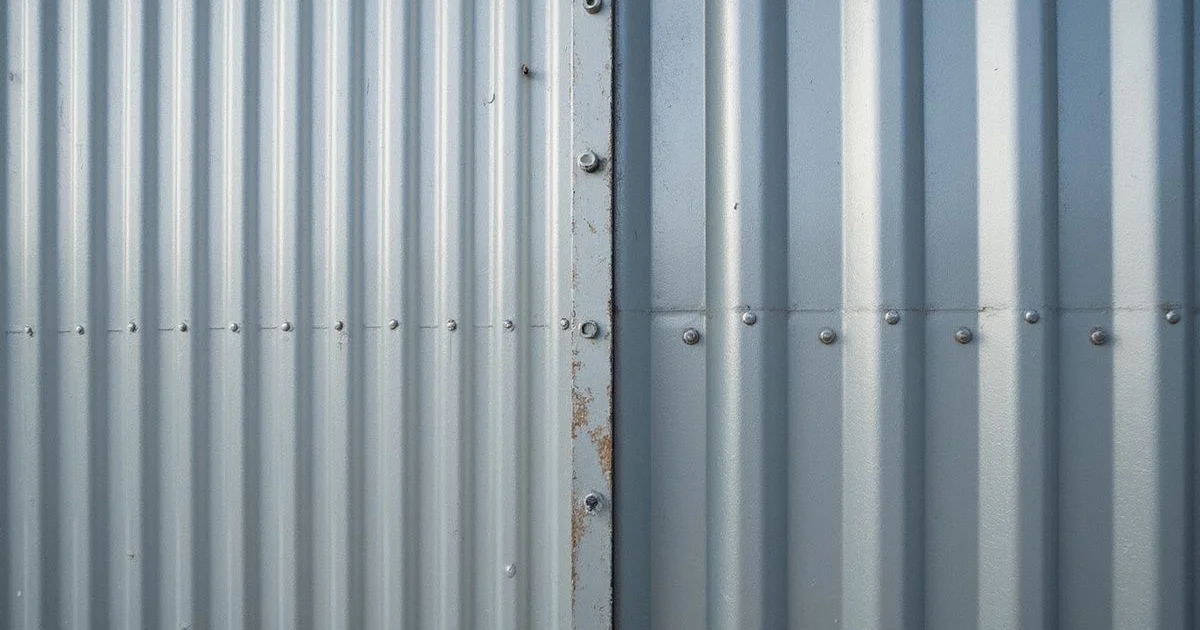
Standing Seam vs Corrugated Metal Roofing
You have likely narrowed down your roofing choice to metal because of its durability and lifespan. Now comes the specific decision between the two most popular residential systems: standing seam and corrugated metal panels.
We guide homeowners through this comparison every week. The choice ultimately depends on whether you prioritize upfront savings or long-term performance. While both systems shed water effectively, they handle thermal movement, wind uplift, and aesthetics very differently.
Here is the data-driven comparison you need to make the right investment for your property.
What Is Standing Seam Metal Roofing?
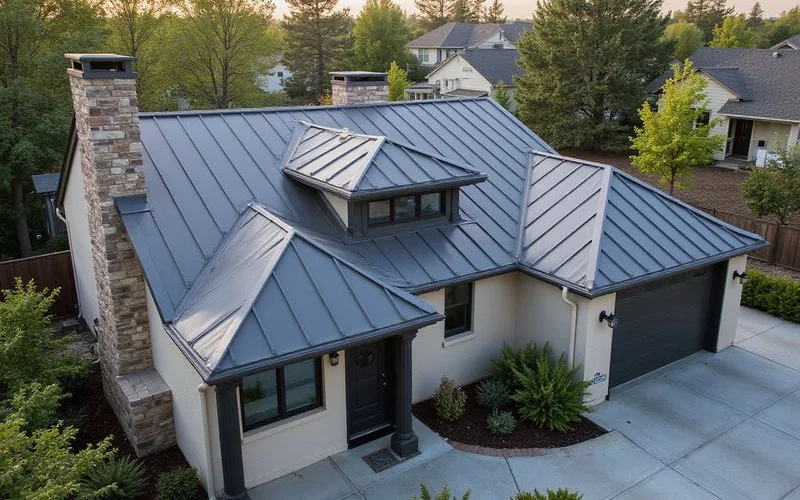
Standing seam roofing is the gold standard for residential metal systems. It consists of flat metal panels—usually 24-gauge steel or aluminum—with vertical legs that rise above the flat surface. These legs overlap or interlock, and the fasteners are completely concealed beneath the metal.
We typically recommend “snap-lock” systems for residential homes because they allow the metal to expand and contract freely during temperature swings. This movement is critical in regions with distinct seasons like Saratoga Springs.
The Hidden Technology: Why It Costs More
You are paying for the engineering behind the connection. The concealed clip system allows the roof to “float” over the deck. This prevents the fastener fatigue that often plagues other roofing types.
Pros of Standing Seam
- Zero Exposed Fasteners: We consider this the most critical feature. Since screws are hidden, they are not exposed to UV rays, rain, or ice, which eliminates the most common source of leaks.
- Engineered for Expansion: The clip system accommodates thermal shock. Metal can expand up to an inch over 50 feet during temperature changes without loosening screws.
- PVDF Paint Systems: Most quality standing seam panels use Kynar 500 or Hylar 5000 (PVDF) coatings. These finishes resist chalking and fading significantly better than standard polyester paints.
- Solar Compatibility: You can mount solar panels to the standing seams using non-penetrating clamps (like S-5! clamps). This preserves your roof warranty.
- Modern Curb Appeal: The clean, vertical lines create a streamlined look that increases property value.
Cons of Standing Seam
- Higher Upfront Investment: Materials are thicker and the manufacturing process is more complex.
- Oil Canning: Flat metal panels can sometimes display a waviness called “oil canning.” Pro Tip: We recommend requesting panels with “striations” or “stiffening ribs” to mask this visual effect.
- Complex Repairs: If a single panel is damaged, replacing it often requires unzipping a large section of the roof.
What Is Corrugated Metal Roofing?
Corrugated metal roofing is easily recognized by its repeating “U” or wavy pattern. This shape is not just for looks. The corrugation adds immense structural strength to thinner gauges of metal, typically 26-gauge or 29-gauge steel.
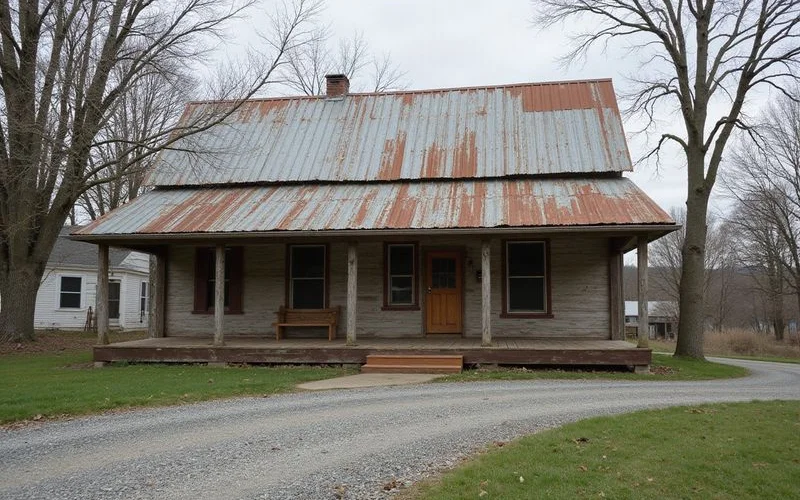
Our team often installs this on agricultural buildings, accessory dwelling units, and homes aiming for a specific rustic aesthetic. The panels are fastened directly through the metal into the roof deck using screws with neoprene rubber washers.
The Reality of Exposed Fasteners
The system relies entirely on the integrity of thousands of rubber washers. If a washer is over-tightened, under-tightened, or degrades from UV exposure, water can enter the screw hole.
Pros of Corrugated Metal
- Budget-Friendly: Material costs are generally 30% to 50% lower than standing seam.
- Structural Rigidity: The wavy profile makes the panels incredibly tough against impact damage from hail or falling branches.
- Simple Installation: Experienced crews can install these systems quickly. This reduces your labor costs significantly.
- DIY Potential: While we always recommend professional installation, the straightforward “screw-down” method is accessible for capable DIYers on small projects like sheds.
Cons of Corrugated Metal
- Maintenance Requirements: You must inspect the screws every 10 to 15 years. The rubber washers eventually dry rot and require retightening or replacement.
- Thermal Movement Issues: Because the panels are pinned directly to the deck, the metal cannot expand freely. This can cause fastener holes to elongate over time (“slotting”), leading to leaks.
- Lower Wind Ratings: Exposed fastener systems generally have lower wind uplift ratings compared to mechanically locked standing seam roofs.
Head-to-Head Comparison
We created this breakdown to help you visualize the technical differences between the two systems.
| Feature | Standing Seam (Concealed Fastener) | Corrugated (Exposed Fastener) |
|---|---|---|
| Material Thickness | 22 to 24 Gauge (Thicker) | 26 to 29 Gauge (Thinner) |
| Fastener Type | Hidden Clips | Exposed Screws with Washers |
| Wind Resistance | High (Tested to 140+ mph) | Moderate (Dependent on screw pattern) |
| Maintenance Cycle | Very Low (Inspect penetrations only) | Moderate (Check screws every 10 years) |
| Paint Finish | Typically PVDF (Kynar 500) | Typically SMP (Silicone Modified Polyester) |
| Typical Warranty | 30 to 50 Years | 20 to 40 Years |
2026 Cost Analysis for Homeowners
Pricing fluctuates based on steel markets, but we can provide current estimates for a standard 2,000-square-foot roof in the Saratoga Springs region.
Investment Breakdown
- Corrugated Metal: $12,000 to $18,000 installed. This typically works out to roughly $6.00 to $9.00 per square foot. It is an economical choice that still outperforms asphalt shingles.
- Standing Seam: $20,000 to $32,000 installed. Expect to pay between $10.00 and $16.00+ per square foot. The wide range depends on roof complexity (valleys, dormers) and the specific finish you choose.
We remind clients that while the upfront cost of standing seam is higher, the “lifecycle cost” is often lower. You likely won’t spend a dime on maintenance for the first 20 or 30 years.
Performance in Northern Climates
Saratoga Springs sees heavy snow, ice, and wind. Your roof needs to handle these specific stressors.
Snow Management
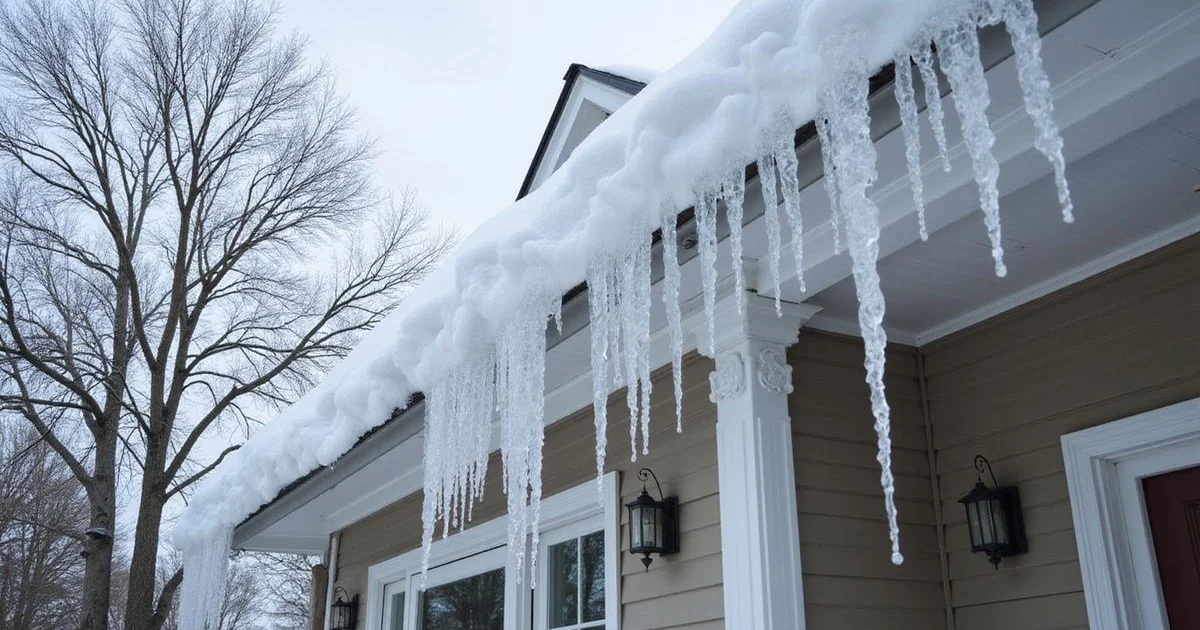
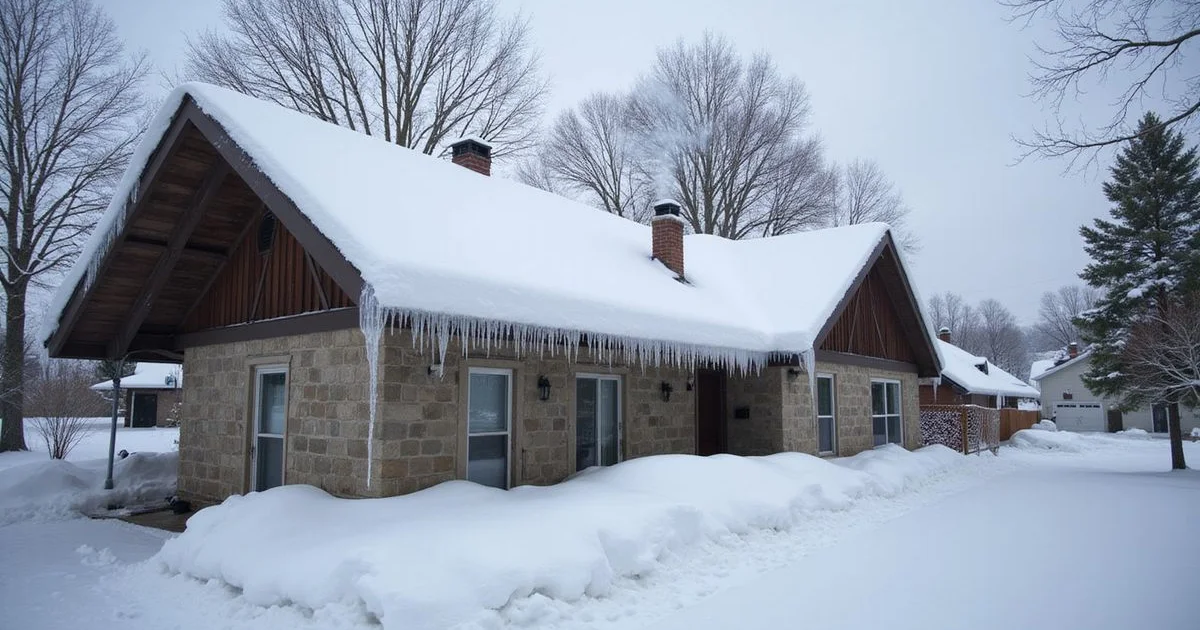
Metal roofs shed snow quickly. We find that standing seam is slightly safer for the roof structure because there are no screw heads to snag the sliding snow and ice.
- Critical Warning: Because metal sheds snow so fast, you must install snow guards over entryways and walkways. We view this as a mandatory safety feature, not an optional add-on.
Ice Dam Prevention
Standing seam offers superior protection here. Its vertical legs (often 1.5 to 2 inches high) and lack of perforations make it nearly watertight. Corrugated panels rely on sealant tape at the laps, which can be a weak point if water backs up behind an ice dam.
Which System Is Right for You?
Choose Standing Seam If:
- You intend to live in the home for 20+ years and want a “forever roof.”
- Your home has a low slope (between 2:12 and 3:12 pitch), where water runoff is slower.
- You want the option to add solar panels later without drilling holes in your roof.
- Modern, clean aesthetics are a priority for your home’s architecture.
Choose Corrugated Metal If:
- You want the durability of metal but need to keep the project budget tight.
- The application is for a detached garage, barn, or workshop.
- Your home has a steep slope (4:12 or greater) that sheds water rapidly.
- You love the traditional “farmhouse” look.
Get Expert Guidance
Your roof is the first line of defense against the elements. Rooferly Saratoga Springs connects you with seasoned metal roofing professionals who understand local building codes and climate challenges.
We can provide a detailed assessment of your roof deck and help you select the exact gauge and profile that fits your needs. Contact us today to secure a specialized quote and protect your home for decades to come.
James Carter is a licensed roofing contractor with over 15 years of experience serving Saratoga Springs and the greater Capital Region.
GAF Master Elite CertifiedNeed Professional Help?
Get matched with trusted local roofers for your project.
Learn About Our Services