Preventing Winter Roof Damage in Upstate New York
Protect your Saratoga Springs home from winter roof damage with these proven prevention strategies. Learn about ice dams, snow loads, and cold weather preparation.

Protecting Your Roof From Upstate New York Winters
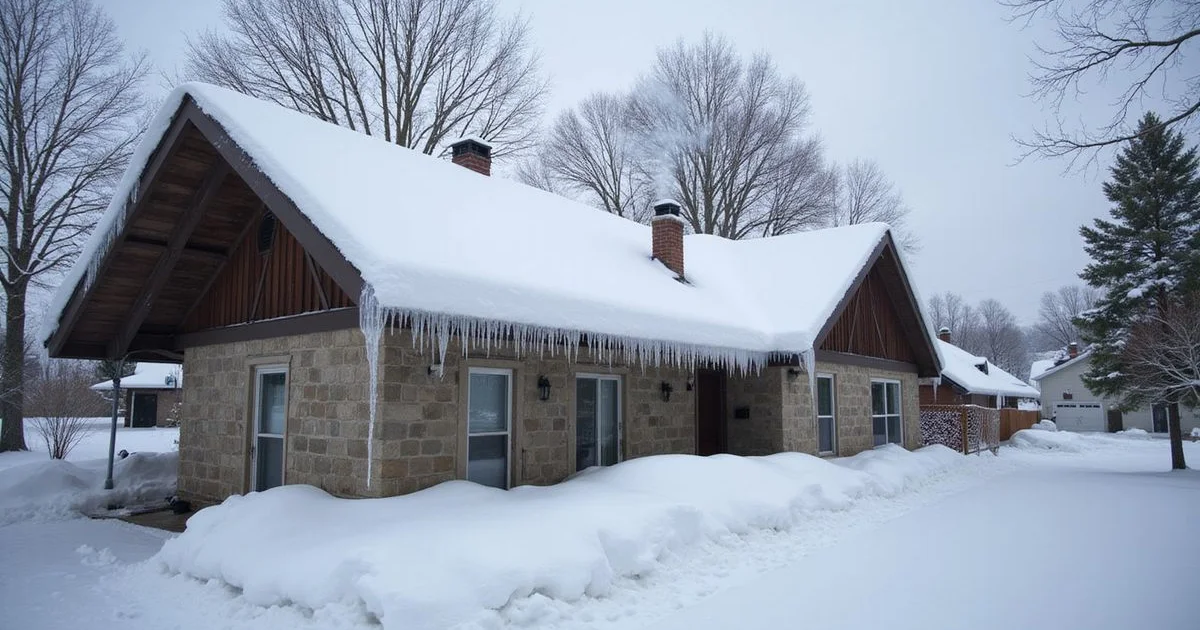
Winter in Saratoga Springs is beautiful but brutal on your roof. With average snowfall exceeding 60 inches per season, temperatures that regularly drop below zero, and the constant freeze-thaw cycles that characterize our climate, your roofing system faces enormous stress from November through April. Taking proactive steps before winter arrives can prevent costly winter storm damage and keep your home safe and comfortable throughout the cold season.
Understanding Winter Roof Threats
Heavy Snow Loads
The weight of accumulated snow on your roof is a serious concern. Fresh snow weighs approximately 3 to 5 pounds per square foot for every 12 inches of accumulation, but packed or wet snow can weigh 20 pounds or more per square foot. For a typical 2,000-square-foot roof in Saratoga Springs, a heavy snowfall can add 10,000 to 40,000 pounds of weight to your roof structure.
Most residential roofs in our area are designed to handle normal snow loads, but older homes or those with structural compromises may be at risk. If snow accumulation exceeds 18 to 24 inches and shows no signs of melting, consider hiring a professional to remove excess snow with a roof rake.
Ice Dams
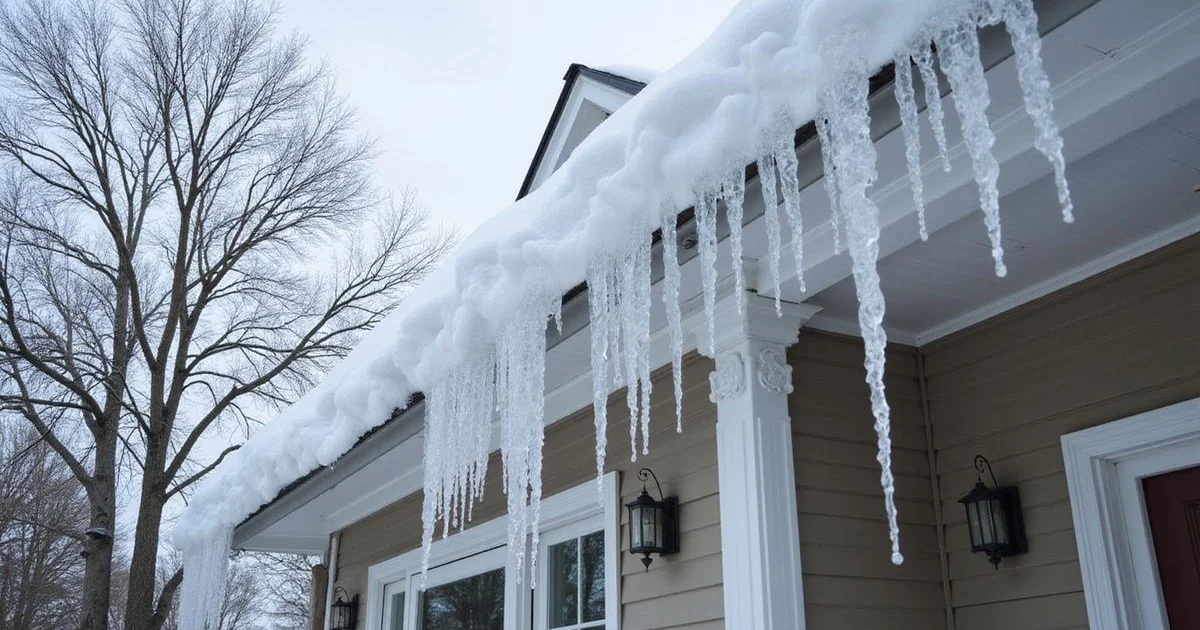
Ice dams are the most common and destructive winter roofing problem in the Saratoga Springs area. They form when heat escaping from your attic melts snow on the upper portion of your roof. The meltwater flows down to the colder eaves, where it refreezes and creates a ridge of ice. As more water backs up behind this ice ridge, it can work its way underneath shingles and into your home.
Freeze-Thaw Cycling
Saratoga Springs experiences frequent temperature swings during winter, with daytime temperatures climbing above freezing and nighttime temperatures dropping well below. Each freeze-thaw cycle causes roofing materials to expand and contract, which gradually weakens seals, loosens fasteners, and creates gaps where water can penetrate, leading to hidden leaks.
Pre-Winter Prevention Checklist
Inspect and Repair Your Roof
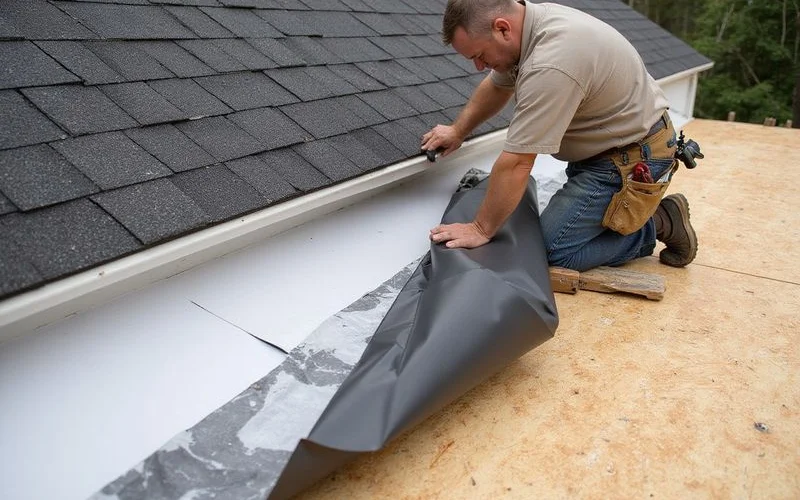
Before the first snow falls, have a professional inspect your roof for any existing issues. Loose or damaged shingles, cracked flashing, and worn pipe boots should all be repaired before winter, when these small problems can become major ones. A fall inspection gives your contractor time to address any issues while weather conditions are still favorable for roofing work.
Clean Your Gutters
Clogged gutters contribute directly to ice dam formation by preventing meltwater from draining properly. Clean all gutters and downspouts thoroughly in late fall after the leaves have finished falling. Make sure downspouts are clear and directing water at least four feet away from your foundation.
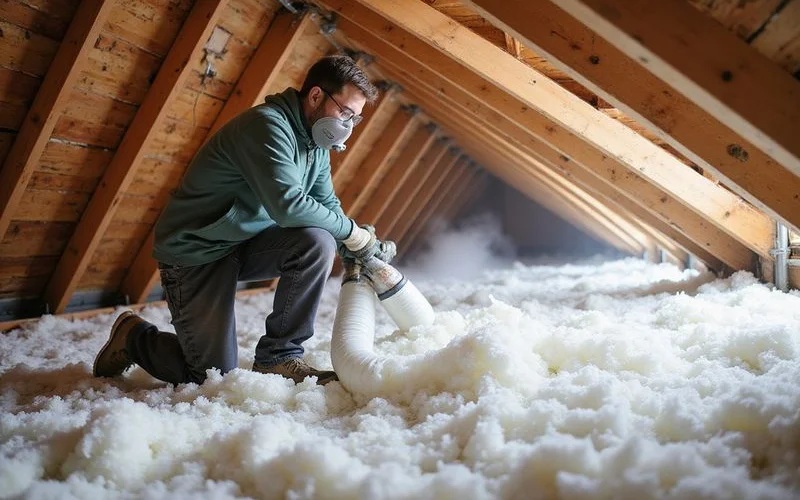
Upgrade Attic Insulation
Inadequate attic insulation is the primary cause of ice dams. Heat from your living space rises into the attic and warms the roof deck, causing snow to melt unevenly. The recommended insulation level for homes in the Saratoga Springs area is R-49 to R-60, which translates to approximately 16 to 20 inches of fiberglass batt or blown-in insulation. If your attic insulation is below this level, upgrading it is one of the most effective investments you can make.
Improve Attic Ventilation
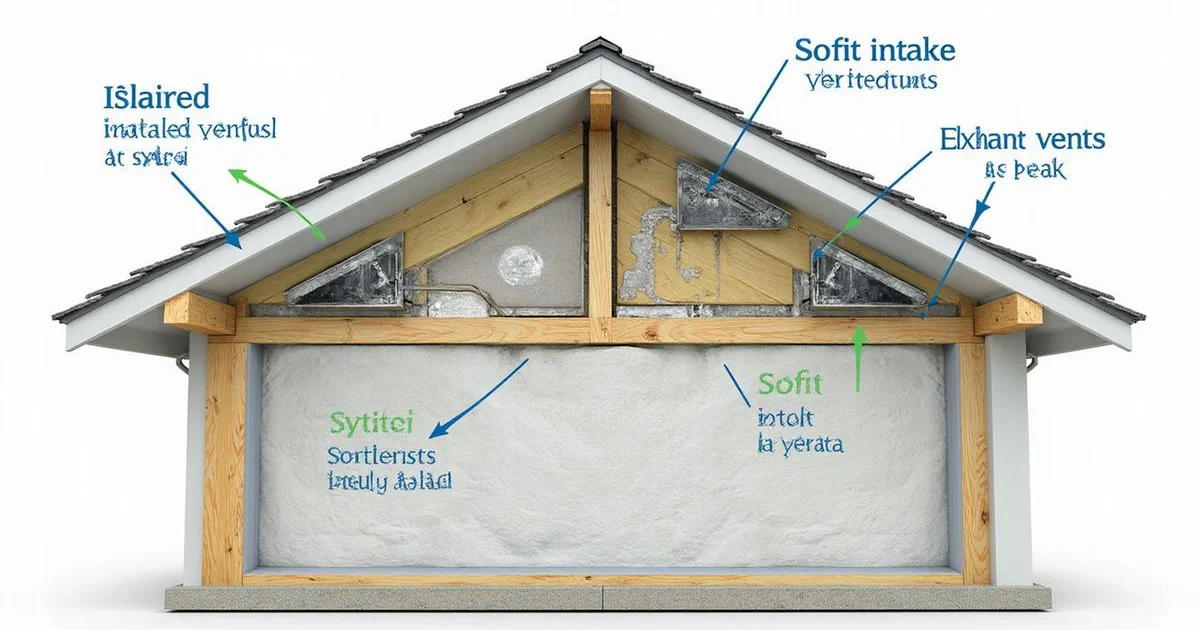
Proper attic ventilation works hand-in-hand with insulation to keep your roof deck cold and prevent snow melt. A well-ventilated attic should have both intake vents at the soffits and exhaust vents at the ridge, creating a continuous airflow that removes heat and moisture. If your attic feels noticeably warm in winter, your ventilation system likely needs improvement.
Seal Air Leaks
Warm air from your living space can enter the attic through gaps around light fixtures, plumbing pipes, electrical wires, and attic hatches. Sealing these air leaks with caulk, spray foam, or weatherstripping reduces heat transfer to the attic and helps prevent ice dam formation. This is an affordable improvement that can also reduce your heating bills significantly.
Trim Overhanging Branches
Tree branches that hang over your roof can deposit leaves and debris, scratch shingle surfaces during wind events, and drop heavy limbs under the weight of ice and snow. Trim branches back at least six feet from your roof before winter to reduce these risks. In Saratoga Springs, where many homes are surrounded by mature trees, this is an important but often overlooked maintenance task.
During Winter: Ongoing Maintenance
Monitor Snow Accumulation
After heavy snowfalls, check the accumulation on your roof. If it exceeds 18 inches, consider using a roof rake to remove snow from the eaves. A roof rake with an extendable handle allows you to pull snow off the lower portions of your roof from the safety of the ground. Never climb onto a snow-covered or icy roof.
Watch for Ice Dam Signs
Icicles forming along your eaves are often a sign that an ice dam is developing. While small icicles are normal, large icicles or a visible ridge of ice along the roof edge indicate a problem. If you notice water stains appearing on interior ceilings during winter, an ice dam is likely forcing water into your home.
Keep Vents Clear
Snow can block soffit vents and other intake points, disrupting your attic ventilation. After heavy snowfall, check that your soffit vents are not buried and clear them if necessary. Blocked ventilation during winter can accelerate ice dam formation.
Plan Ahead With Professional Help
The best time to prepare your roof for winter is during the fall months when roofing contractors can still work comfortably and materials are readily available. Rooferly Saratoga Springs can connect you with experienced contractors who specialize in winterization services, including insulation upgrades, ventilation improvements, and preventive repairs.
Do not wait until the first heavy snowfall to discover your roof is not ready for winter. Contact Rooferly Saratoga Springs today to schedule a pre-winter roof assessment and ensure your home is prepared for whatever our Upstate New York winters bring.
James Carter is a licensed roofing contractor with over 15 years of experience serving Saratoga Springs and the greater Capital Region.
GAF Master Elite CertifiedNeed Professional Help?
Get matched with trusted local roofers for your project.
Learn About Our Services